

Shin splints are pain and inflammation along the inner edge of your shin bone, usually from too much training load too soon, and most cases settle with smart load management and targeted strengthening. You feel them as an ache or tenderness along the front or inside of your lower leg, often during or after a run. The good news is that this is one of the most common and most fixable running injuries we treat.
Most runners feel shin splints creep in after a jump in mileage, a switch to harder surfaces, or a return to training after time off. The pain often warms up at the start of a run, then returns worse afterward. Here we break down what shin splints are, why they happen, how to calm them fast, and how to get back to running without them coming back.
What You Need to Know About Shin Splints
- Shin splints cause aching pain along the inner or front edge of the lower leg.
- They usually come from training load that outpaced what your legs were ready for.
- Rest alone rarely fixes them, since the tissue needs a graded load to get stronger.
- Smart load management plus calf and hip strengthening is what creates lasting relief.
- Sharp, pinpoint pain in the bone can signal a stress fracture and needs a closer look.
Do this today to calm shin splints:
- Trim your running volume and intensity, and stop short of the pain ramping up.
- Swap some runs for low-impact work like cycling or pool running to keep your fitness.
- Use ice on the tender area after activity to settle symptoms.
- Check your shoes and rotate your running surfaces and direction.
- Get assessed if the pain is sharp, pinpoint, or not improving.
We help runners across Denver and the Front Range calm shin splints and get back to full training without long layoffs. Call us at (720) 248-4386 or book a call, and we will build a plan around your goals.
What Are Shin Splints?
Shin splints are an overuse injury where the muscles, tendons, and bone tissue along the shin become irritated and inflamed. The medical term is medial tibial stress syndrome, since the pain most often sits along the inner edge of the tibia. It sits on a spectrum from mild irritation to a bone stress injury, which is why getting it assessed matters.
When you run, your lower leg absorbs force with every stride. When that force outpaces what the tissue is prepared for, the area gets overloaded and painful. Understanding that load and capacity balance is the key to fixing it.

Where Do Shin Splints Hurt?
The pain usually runs along the inner edge of the shin, often spreading over several inches rather than one small spot. It can also show up along the front of the lower leg. Tenderness when you press along the bone is common, and the ache often eases with rest and returns with activity.
What Are the Symptoms of Shin Splints?
The main symptom is a dull ache or tenderness along the lower leg that flares with running and eases with rest. If your shin pain follows that on-and-off pattern with training, shin splints are high on the list. Watch for these common signs:
- Aching or tenderness along the inner or front edge of the shin.
- Pain that warms up early in a run, then returns worse afterward.
- Soreness when you press along the shin bone.
- Discomfort that builds as your mileage or intensity climbs.
- Mild swelling along the lower leg in some cases.
Shin splints usually spread the pain over a broad area. Pain that narrows to one sharp, pinpoint spot on the bone is a warning sign we cover below.
What Causes Shin Splints?
Shin splints are almost always a load problem, meaning your training demand outpaced what your legs were ready to handle. The shin gets blamed, but the real drivers are usually training habits and how well your legs and hips absorb force. When the system cannot keep up, the shin takes the cost.
Training Errors That Set Them Off
- Increasing mileage or intensity too quickly without a buildup.
- Switching to harder surfaces or worn-out shoes.
- Lots of hills or speed work added all at once.
- Returning to running after time off without easing back in.
Body Factors That Raise Your Risk
- Weak or slow-to-fatigue calves that cannot absorb repeated loads.
- Limited hip and core control that changes how you land.
- Running mechanics that load the lower leg more than it can tolerate.
- Foot mechanics that increase stress along the shin.
This is why simply resting rarely solves shin splints for good. If the legs and hips cannot handle the load, the pain returns once you ramp back up.
How Do You Get Rid of Shin Splints Fast?
To calm shin splints quickly, reduce the running that flares them, keep moving with low-impact activity, and start calf and hip strengthening right away. Complete rest can feel tempting, but it tends to leave you back at square one when you return. Here is a simple plan for the first week or two.
- Cut back the painful work. Reduce mileage and speed, and run only to the point before pain ramps up.
- Keep training in pain-free ways. Cycling, pool running, and the elliptical keep your fitness.
- Use ice and gentle calf massage to settle symptoms after activity.
- Start calf raises and hip strength early, even at low effort.
- Review your shoes, and vary your surfaces and routes.
If a week or two of self-care does not change anything, get assessed. A focused plan beats guessing and keeps you from losing a season.
Is It Shin Splints or a Stress Fracture?
This distinction matters because a stress fracture needs more caution than shin splints. Shin splints spread the ache over a broad area and ease with rest, while a stress fracture usually causes sharp, pinpoint pain in the bone that worsens with impact. The table below helps you tell them apart.
| Feature | Shin splints | Stress fracture |
|---|---|---|
| Pain location | Spread over several inches | One sharp, pinpoint spot |
| With rest | Usually eases | Often lingers |
| With impact | Aches | Sharp and worsening |
| Next step | Load management and strengthening | Prompt assessment, often reduced impact |
If your pain narrows to a single spot or keeps getting worse, get it checked before you push through. Catching a bone stress injury early saves you months.
What Exercises Fix Shin Splints?
The exercises that fix shin splints build strength and endurance in the calves, feet, and hips so your lower leg can handle running again. Start light, keep everything comfortable, and progress as you get stronger. Consistency matters more than intensity here.
- Calf raises. Both straight-knee and bent-knee versions to build the calf muscles that absorb load.
- Toe and foot strengthening. Work the small muscles that support your arch and lower leg.
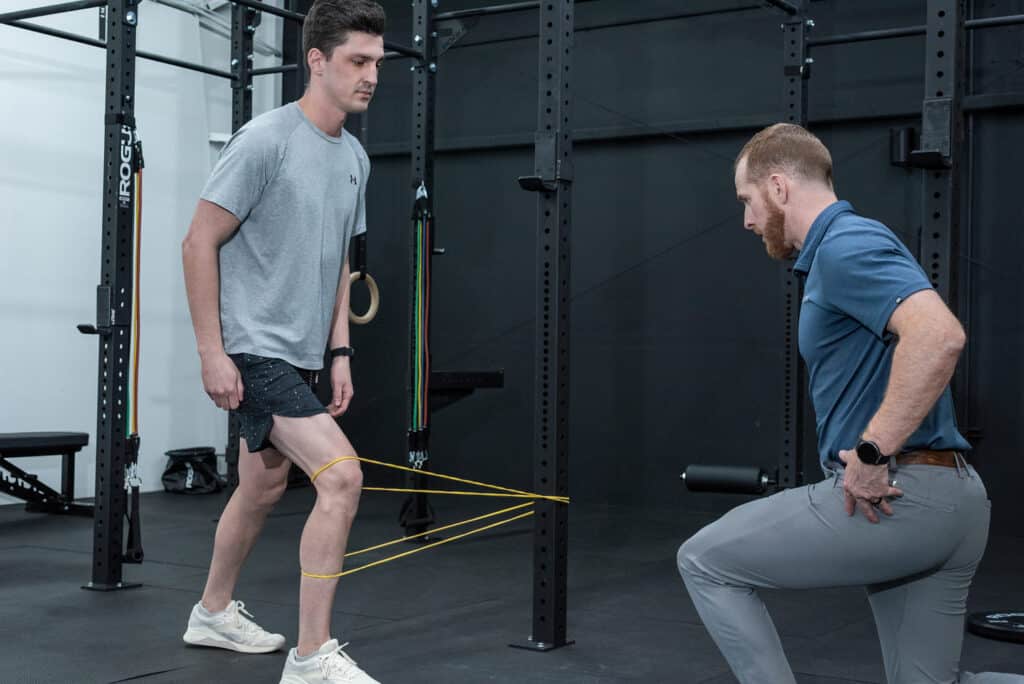
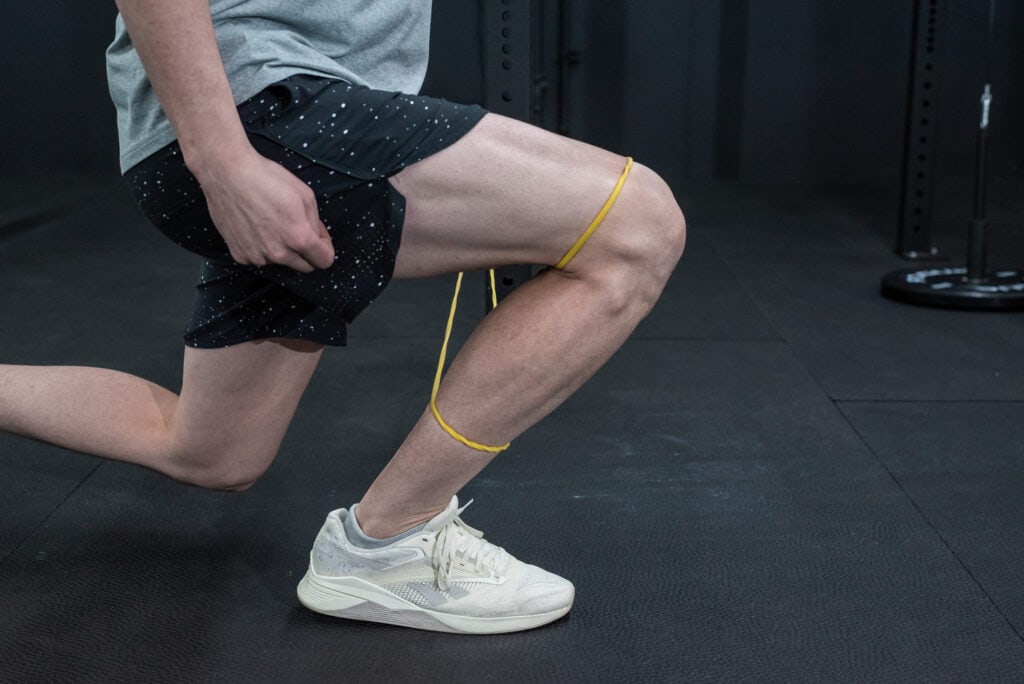
- Hip and glute strength. Bridges, side steps, and single-leg work to control how you land.
- Single-leg balance. Build the stability that steadies each stride.
- Gradual running progression. Rebuild mileage in small, planned steps.
The right dose depends on your symptoms, your strength, and your training goals. Too little and nothing changes, too much too soon, and the pain returns. Matching the plan to you is what makes it work.
How Long Do Shin Splints Take to Heal?
Most shin splints improve within two to six weeks with the right plan, though mild cases settle faster and stubborn ones take longer. The timeline depends on how long it has been going on, how soon you address the cause, and how well you manage your training while you heal. Pushing through at full mileage usually drags it out.
A short, smart adjustment now often gets you back to full training faster than ignoring it. We use clear checkpoints, like pain-free strength and an easy return to running, before you build back up.
Can You Run With Shin Splints?
You can often keep running with mild shin splints if you stay under the volume and pace that trigger pain. The goal is to keep load low enough that the tissue settles while you build the strength that protects it. We help you find that line so you keep your fitness instead of stopping cold. If the pain is sharp or pinpoint, though, hold off and get assessed first.
How Do You Prevent Shin Splints From Coming Back?
You prevent shin splints by building strong, durable lower legs and progressing your training gradually. Most repeat cases trace back to ramping up too fast on legs that were not ready. A little ongoing strength work protects the rest of your season.
- Build mileage and intensity in small steps, not big jumps.
- Keep up calf and hip strength even after the pain is gone.
- Rotate your shoes and replace them before they break down.
- Vary your surfaces and include easy recovery runs.
We build these habits into your plan, so you leave with more than short-term relief. The goal is a lower leg that holds up to your training.
Do Shoes, Insoles, and Compression Help Shin Splints?
The right shoes and a few simple tools can support your recovery, though they are not a fix on their own. Running shoes that suit your foot and that are not worn out reduce the load on your lower legs. Compression sleeves and supportive insoles help some runners feel more comfortable, but they work best alongside strengthening and smart training.
- Replace running shoes before they break down, usually every few hundred miles.
- Choose shoes that fit your foot and feel comfortable, not just trendy.
- Try a compression sleeve if it eases your symptoms during easy activity.
- Consider supportive insoles if your foot mechanics add stress to the shin.
Think of these as helpers, not cures. Lasting relief still comes from building durable legs and progressing your training wisely.
When Should You See a Physical Therapist for Shin Splints?
See a physical therapist if your shin pain has lasted more than a couple of weeks, keeps returning, or is cutting your runs short. You do not need to wait until you cannot run at all. The sooner we find why your legs are overloading, the sooner you return to training without the pain hanging over every run.
At Rise Rehab and Sport Performance, every visit is one-on-one with a Doctor of Physical Therapy. We assess your strength, your mechanics, and your training, then build a plan that fits your goals as a runner. You keep moving while you heal, and you leave knowing exactly what to do next.
Get Back to Running Strong
Shin splints respond well to the right plan, and you do not have to figure it out alone. We help runners across Denver and the Front Range calm the pain, build durable lower legs, and return to the miles they love. No pushing through pain, no endless rest, just a clear path back.
What We Offer
We provide one-on-one, hour-long sessions with a Doctor of Physical Therapy, built around your sport and your goals. Every plan targets the root cause of your shin splints, not just the sore spot.
Book a Call
If shin pain is slowing you down, let us help you get ahead of it. Call us at (720) 248-4386 or book a call to claim your free 15-minute discovery call and start a plan built around your running. Move better, train harder, and get back to what you love.
Frequently Asked Questions
What is the fastest way to get rid of shin splints?
The fastest relief comes from reducing the running that flares them while keeping low-impact activity and starting calf and hip strengthening. Cut back mileage and speed, use ice after activity, and stay active with cycling or pool running. This calms symptoms while you build the strength that prevents the next flare.
Should I keep running with shin splints?
You can often keep running with mild shin splints if you stay below the volume and pace that trigger pain. Keeping the load low lets the tissue settle while you strengthen. If the pain is sharp, pinpoint, or worsening, stop and get assessed before continuing.
How do I know if it is shin splints or a stress fracture?
Shin splints spread the ache over a broad area and ease with rest, while a stress fracture causes sharp, pinpoint pain in the bone that worsens with impact. If your pain narrows to one spot or keeps getting worse, get it checked promptly. Catching a stress fracture early saves months of recovery.
How long do shin splints last?
Most shin splints improve within two to six weeks with the right plan. Mild cases settle faster, while long-standing cases take longer. Addressing the cause early and managing your training are what shorten the timeline.
Do shin splints go away on their own?
Mild shin splints can settle with reduced load, but they often return once you ramp training back up. That is because rest alone does not build the strength your lower legs need. A plan that combines load management with strengthening gives lasting results.
What exercises help shin splints?
Calf raises, foot and toe strengthening, hip and glute work, and single-leg balance all help build durable lower legs. A gradual running progression then rebuilds your mileage safely. The right starting point depends on your symptoms and goals, which is where guided care helps.